


Is Your Supplement a Scam? Why "Informed Sport" is the Only Label That Matters in the UK
We have all been there: standing in the health aisle or scrolling through a sleek website, looking at a sea of "clean”, "natural”, and "pure" pure supplements. In the UK, the wellness industry is worth billions, yet it remains one of the most loosely regulated markets.
While the Food Standards Agency (FSA) does its best to keep us safe, the reality is that many supplements on British shelves are never checked by a third party before they reach the kitchen cupboard. To ensure your "clean" vitamin is actually what it says it is, you need to look for one specific orange logo: Informed Sport.
The "Clean" Marketing Trap
In the UK, "clean" is not a legal term; it is a marketing term. A brand can claim their protein powder is "100% pure" even if the factory also processes unlisted stimulants or cheap fillers.
This is known as a label claim failure. Studies have shown that a significant percentage of supplements do not contain the amount of active ingredients promised—or worse, they contain "hidden" extras like heavy metals or banned substances.
What is Informed Sport?
Informed Sports, headquartered in Newmarket, UK, is a global quality assurance program for sports nutrition. Although it was designed to protect professional athletes from accidentally failing drug tests, it has become the gold standard for the health-conscious public.
When you see the orange seal, it means the product has undergone a rigorous certification process by LGC—a world-class lab with over 50 years of experience in high-stake testing.
Why It’s the Gold Standard (Especially in the UK)
There are two main reasons why this certification beats a standard "clean" label:
Batch-by-Batch Testing: Most certifications test a product once a year. Informed Sport tests every batch. If a brand makes a new run of tablets, that specific batch must be tested and cleared by the laboratory before carrying the logo.
Contamination Defense: Cross-contamination is a major issue in supplement manufacturing. Informed Sport screens for over 250 substances that shouldn't be there, ensuring that your daily multivitamin hasn't been "spiced" with low-grade stimulants or hormonal precursors.
How to Verify Your Supplements
Do not just take the bottle’s word for it. Here is how to use the Informed Sport system as a pro:
Check the Logo: Look for the orange Informed Sport logo (not to be confused with the green "Informed Choice" logo, which only tests monthly, not every batch).
Find the Batch Number: Look at the bottom of your tub or the crimp of your pouch for a batch code and expiry date.
Use the Database: Visit Informed Sport’s website and search for your product. You can type in your specific batch number to see the actual lab certificate confirming that it has passed.
The Bottom Line
If you are spending your hard-earned money on supplements to improve your health, you deserve to know that you are not just buying expensive fillers. By choosing brands that invest in Informed Sport certification—such as Healthspan Elite, SiS, or MyProtein’s specialised ranges— you are choosing transparency over trends.
Stop guessing about your health. If it is not tested, you are just taking a leap of faith.

Masters Bodybuilding Nutrition: How Men Over 40 Can Build Muscle, Recover Faster, and Stay Strong
Gaining muscle after the age of 40 is less about increasing effort and more about adopting smarter approaches. Around the globe, Masters athletes in their 40s, 50s, and older are demonstrating that age doesn't hinder muscle development, strength, or achieving impressive physiques. However, the body's reaction to training stress, recovery needs, and nutrition does change. Consequently, the methods that were effective in your 20s might now result in fatigue, inflammation, or persistent soreness.
For men over 40 aiming to build muscle, nutrition serves as a tool for enhancing performance rather than merely a method for counting calories. Factors such as hormonal shifts, decreased muscle protein synthesis, slower recovery times, and heightened inflammation all contribute to this process. If not properly managed, these elements can result in muscle deterioration, persistent fat accumulation, and subpar training results. However, most men over 40 possess the advantage of experience, discipline, and consistency—traits that, when combined with nutrition grounded in scientific evidence, lead to exceptional outcomes.
Protein
Protein plays a crucial role in muscle development after the age of 40 and is absolutely essential. As people get older, their bodies become less responsive to protein consumption, a condition referred to as anabolic resistance. Consequently, men over 40 need to consume more protein daily to promote muscle growth and aid in recovery. For most active men, an ideal daily protein intake ranges from 1.6 to 2.2 grams per kilogram of body weight. Consuming high-quality protein sources rich in leucine, such as lean meats, eggs, dairy products, fish, and whey protein, is particularly beneficial. Additionally, spreading protein intake evenly across meals throughout the day can further boost muscle protein synthesis and recovery.
Carbohydrates
Carbohydrates remain essential for training performance, muscle fullness, and recovery, even after 40. Cutting carbs too aggressively often results in poor workouts, low energy, and slower recovery, while excessive intake can impact insulin sensitivity and fat gain. Most men over 40 perform best with 3–5 grams of carbohydrates per kilogram of bodyweight, adjusted based on training volume and goals. Prioritising quality sources such as rice, oats, potatoes, fruits, and vegetables supports steady energy levels and better body composition. Timing carbohydrates around training sessions can further enhance performance and recovery.
Dietary Fats
Dietary fats are essential for maintaining hormonal balance, joint health, and cardiovascular function. For men over 40, the quality of fats consumed is as significant as the amount. Fats should constitute 20–35% of the total caloric intake, with a particular focus on omega-3 fatty acids. Consuming foods like fatty fish, olive oil, nuts, seeds, and avocados can help decrease inflammation, promote heart health, and potentially aid in preserving lean muscle mass.
Key Takeaway
For men over 40, the primary lesson is that building muscle should not compromise long-term health. Engaging in extreme diets, dehydration, and excessive training can lead to injuries and burnout. Instead, maintaining a balanced diet, ensuring proper recovery, staying hydrated, and being patient are essential for developing a strong, lean, and sustainable physique well into your 40s, 50s, and beyond.
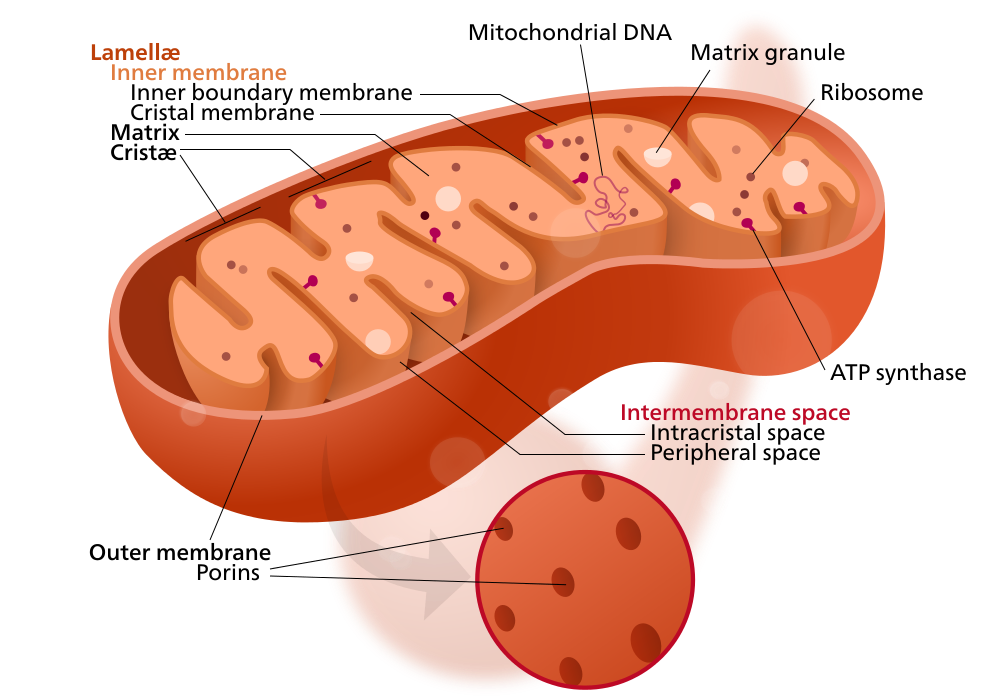
How Mitochondria, Nutrition, and Aging Are Connected and Why It Matters After 40
If you are over 40 and experiencing reduced energy, slower recovery times, persistent weight gain, or mental fog, it is not just your imagination. A significant factor behind these changes is related to processes occurring within cells, specifically involving the mitochondria.
Mitochondria are frequently referred to as the powerhouses of the body. Their primary function is to transform the food consumed into energy (ATP), which powers all activities, from exercising and working to hormone synthesis and cognitive processes. As men grow older, the efficiency of mitochondria naturally diminishes, significantly influencing the experience of aging.
What Happens to Mitochondria as You Age?
After the age of 40, mitochondria tend to:
• Produce less energy
• Accumulate damage to their DNA
• Generate more harmful free radicals
• Become less efficient at burning fat
This reduction affects muscles, metabolism, heart health, and testosterone levels. Additionally, poor mitochondrial function is associated with age-related issues, such as insulin resistance, cardiovascular disease, and cognitive decline.
The good news? Nutrition can significantly slow this process.
The importance of nutrition in mitochondrial health cannot be overstated. To function effectively, the mitochondria depend on nutrients. A poor diet, characterised by a high sugar content, ultra-processed foods, and excessive calories, can overwhelm and stress mitochondria, resulting in inflammation and accelerated aging. In contrast, smart nutrition can support mitochondrial repair and efficiency.
Eat for Energy, Not Just Calories
The consumption of excessive amounts of refined carbohydrates and sugars can lead to inefficient mitochondrial function. Instead, it is advisable to prioritise whole foods, lean proteins, and healthy fats, such as olive oil, nuts, and fatty fish.
Don’t Ignore Key Micronutrients
Certain vitamins and minerals are essential for mitochondrial energy production
• B vitamins support metabolism and nerve function
• Magnesium aids muscle and energy processes
• Iron and zinc support oxygen transport and hormone health
• Coenzyme Q10, which naturally declines with age, is vital for ATP production
Fight Oxidative Stress with Antioxidants
Foods such as berries, leafy greens, vibrant vegetables, green tea, and dark chocolate contain antioxidants that help counteract cellular damage and safeguard mitochondrial DNA.
Calories, Fasting, and Longevity
Studies have indicated that moderate calorie restriction and practices, such as fasting, can enhance mitochondrial function, decrease oxidative stress, and trigger pathways associated with longevity. Even minor adjustments, such as refraining from eating late at night, can be beneficial.
The Bottom Line for Men Over 40
Enhancing mitochondrial function through diet can boost energy levels, improve fat metabolism, increase muscle strength, and support long-term health. By selecting foods rich in nutrients and maintaining a balanced energy intake, individuals can remain strong, alert, and full of energy well past the age of 40 years.